

Conceptual Storage
The Phoenix Codex functions as a living archive for ideas, observations, and creative inquiry. Rather than serving as a static text, it stores thoughts in modular entries—notes, diagrams, essays, field observations, and artistic interpretations—that capture how concepts evolve over time.
Each entry acts as a conceptual node within a broader knowledge network. Ideas can connect across disciplines, scales, and modes of thinking, allowing scientific reasoning, reflective writing, and creative expression to coexist within the same structure.
This space is designed not only to record conclusions but also to preserve the process of discovery itself: questions, partial insights, speculative models, and evolving frameworks. By storing these intellectual fragments, the Codex allows patterns to emerge and relationships between systems to become visible.
Topics range from planetary chemistry and ecological dynamics to statistical reasoning, conceptual modeling, and artistic exploration. Visualizations, essays, and notes serve as anchors that hold complex ideas while inviting further inquiry.
Because the Codex is dynamic, entries can expand, link, and reorganize as understanding deepens. In this way, the Phoenix Codex functions as both an archive of thought and a working environment for synthesis, reflection, and discovery.
Conceptual Exploration
The Phoenix Codex is not only a place where ideas are stored, but where they are actively explored.
Conceptual exploration is the process of examining an idea from multiple perspectives before it becomes a formal theory, model, or argument. In this space, questions are allowed to remain open, partial explanations are recorded, and speculative connections between fields are documented. Rather than presenting conclusions alone, the Codex captures the pathways that lead to them. Entries may begin with a simple observation, an unresolved paradox, or a diagram that suggests a new relationship between systems. These fragments are then examined through comparison, modeling, and reflection.
Exploration may occur across disciplines. A question in ecology might intersect with chemistry, mathematics, or planetary science. By allowing ideas to move freely across these boundaries, conceptual exploration helps reveal patterns that may remain invisible within a single field. Not every exploration produces an immediate answer. Some entries remain provisional, recording lines of reasoning that may later be expanded, revised, or abandoned as understanding grows.
In this way, conceptual exploration preserves the process of thinking itself—the stage where curiosity, uncertainty, and creativity interact to produce new insight. Within the Phoenix Codex, exploration is not separate from discovery; it is the terrain through which discovery becomes possible.

Conceptual Implementation
Conceptual implementation is the stage where emerging ideas are translated into structured frameworks capable of guiding real systems.
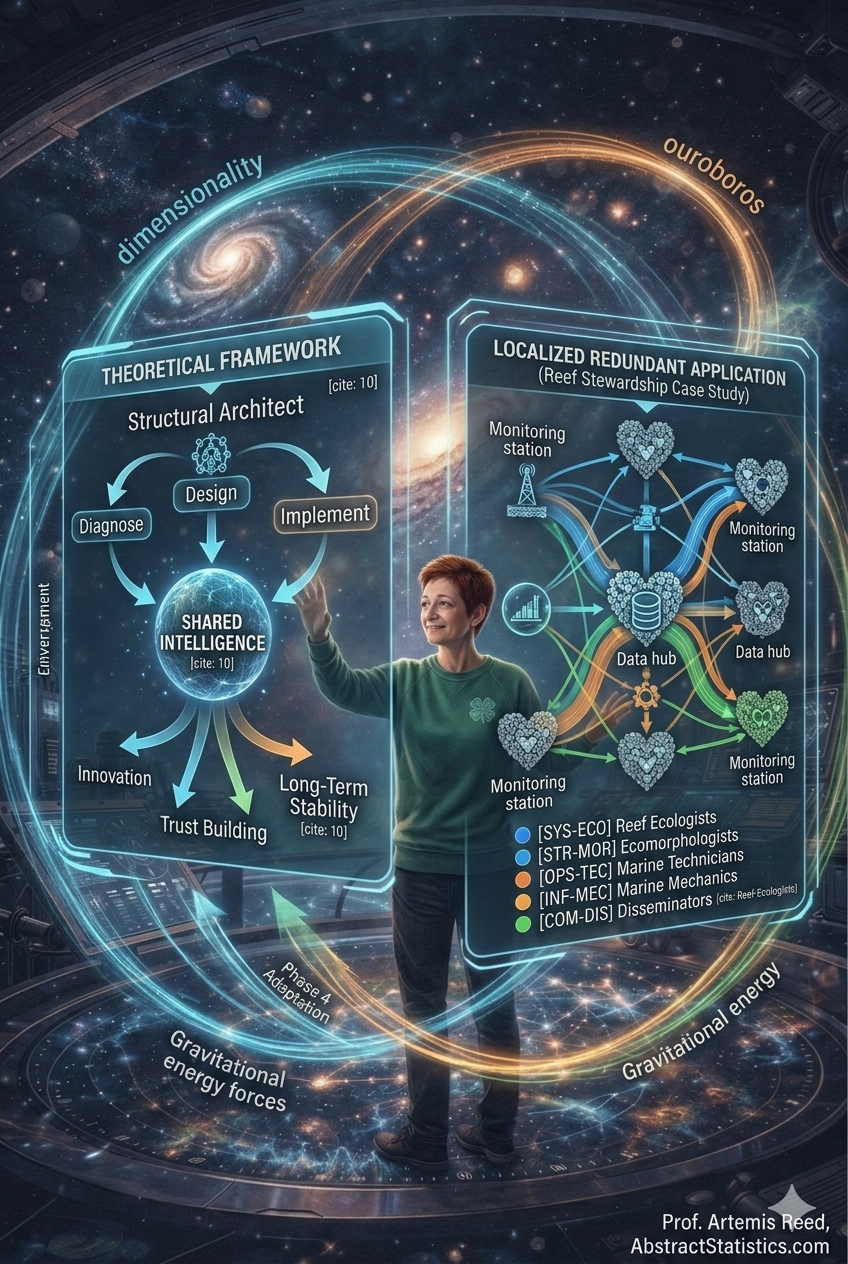
Insights often begin as fragments—observations, paradoxes, or patterns that suggest deeper structure but remain unformalized. Implementation stabilizes these fragments by identifying assumptions, clarifying boundaries, and organizing the concept into a coherent architecture.
Within the Phoenix Codex, this process prepares ideas for application without forcing premature conclusions. Concepts are examined for internal coherence, compatibility with existing knowledge, and stability across scale.
The Codex therefore functions as a dynamic workspace where ideas evolve from intuition into structured frameworks that can be tested, adapted, and applied.
Conceptual implementation marks the point at which a thought becomes structurally clear enough to move from speculation toward practice.
Create Your Own Website With Webador